
This is the ultimate guide and review for Stenabolic, also known as SR9009. You will find this review very useful if you have questions about these topics:
- Stenabolic benefits
- Stenabolic side effects
- Where to buy pure SR9009
- SR9009 half-life and dosage
- SR9009 legality
We will answer all of these questions as well as cover other topics about this topic. Not only that, but we will also go over some Stenabolic results with before and after pics.

Before we begin, you have to know that Stenabolic isn’t approved for human consumption. It’s meant for research purposes only and I am in no way advocating the use of this compound. Don’t take the information you find here as medical advice.
With that being said, let’s get right into it by first explaining what SR9009 actually is…
Table of Contents
ToggleWhat Is Stenabolic
SR9009, also called Stenabolic, is a research compound that is often mentioned when people talk about SARMs (Selective Androgen Receptor Modulators).
In reality, Stenabolic is not a SARM at all, it is actually a Rev-ErbA ligand.
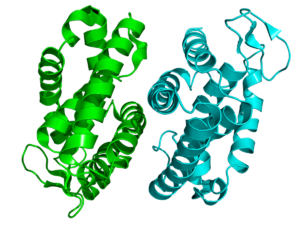
This means that it’s a molecule that binds itself to the Rev-Erb protein and enhances its activity in our body. Rev-ErbA is a protein that is highly present in our liver, fat, muscles and skeletal muscles.
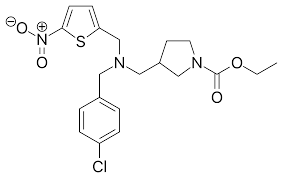
Another important thing to know about this compound is that it’s non-hormonal.
This means that it doesn’t suppress our natural production of Testosterone and because of that, we don’t have to worry about doing a PCT (Post Cycle Therapy). We will go over this in more detail later in the article.
Now let’s go over how this compound actually works.
How Does Stenabolic Work
As we said, SR9009 is a Rev-ErbA (Alpha) Ligand. This means that it’s a compound that enhances the Rev-ErbA activity in our body.
We mentioned that Rev-Erb is a protein that is mainly found in muscle, skeletal muscles, fat, and the liver.
To better explain how SR9009 works, let’s go over each area that Rev-ErbA affects and explain the Stenabolic effect in detail.
Muscles
In our muscles, Stenabolic increases our mitochondria count. This results in an incredible endurance increase.
This is the reason for the great endurance improvement that SR9009 causes.
SR9009 doesn’t only affect our endurance in our muscles, it also promotes fat loss. It does this by promoting the activity of mitochondria in our muscles. The result of this is that we end up burning fat and it also increases our endurance even more.
Liver
Rev-ErbA is responsible to block the production of new fat cells. It basically binds the fat cell on itself which essentially removes it from our body.
Stenabolic enhances this effect. This means that people who are currently on an SR9009 cycle will produce a lot less fat cells than they would if they weren’t taking this compound.
Essentially, it indirectly promotes fat loss in our liver because we produce less fat cells.
Fat
Stenabolic promotes fat loss in our fat by enhancing the Rev-ErbA activity in it. Basically, it encourages your body to use the fat reserves for energy which directly causes fat loss.
Rev-ErbA is also responsible for blocking the gene that makes us store fat. Stenabolic enhances this and makes us store very little fat even if we are on a bad diet.
Is Stenabolic Legal
This is obviously an important thing that we should clear up first.
Right now, SR9009 is legal to purchase and use anywhere in the world, with the exception of Australia (we will go over Australia later).
It’s not FDA (Food and Drug Administration) approved so it has to be sold under the labels of “Research Chemical” or “Not for human consumption”.
So this is the reason for these labels. Some countries only allow the purchase of Stenabolic if you are doing it for “Research purposes”. This doesn’t mean anything though, it’s still legal.
You can read more about the legality of SR9009 in my article on the legality of SARMs.
So to summarize, yes Stenabolic is legal to buy and purchase anywhere in the world. An exception is Australia, let’s go over that now.
Is SR9009 Legal In Australia
An exception, however, is Australia. It has different laws than the rest of the world when it comes to SARMs and compounds like SR9009.
In Australia, SR9009 is illegal even with a doctor’s prescription. It’s also illegal for the local supplement stores to sell compounds like Stenabolic.

This is because the TGA listed Stenabolic as a Schedule 9 compound which means that it’s completely illegal.
Read more about this topic in my in-depth SARMs Australia article.
Stenabolic In Professional Sports
SR9009 gives obvious unfair endurance advantages in professional sports. That is why it’s listed as a prohibited substance by both the WADA (World Anti Doping Agency) and the USADA (the United States Anti Doping Agency).
It can also be detected on certain specific drug tests. Please, don’t use this compound if you are a professional athlete.
Stenabolic Benefits
Now that we explained how this compound actually works and its legality, let’s go over the benefits that it provides. The benefits of SR9009 are:
- Fat loss
- Improved cholesterol and cardiovascular health
- Increased endurance
- Reduced inflammation
- Reduced anxiety
Let’s go over each benefit in a bit more detail.
Fat Loss
This is probably the main reason (for some people it might be increased Endurance) that most people take Stenabolic. It is very effective at promoting fat loss because it works in our muscles, fat tissue and the liver.
Stenabolic was also proven to be very effective, when it comes to fat loss, in animal studies. Rats that were given this compound were able to lose fat 60% faster than the other rats.

You will be able to lose fat even when eating maintenance calories. Most people start noticing them losing fat in 10-14 days of taking Stenabolic. Of course, it also depends on how often you train and how clean your diet is. If you’re in a calorie surpluss, you won’t lose weight.
Most people seem to be easily able to lose 5% of their body fat with the help of SR9009.
Improved Cholesterol And Cardiovascular Health
This is one of the main reasons why SR9009 is currently in extensive research to one day, hopefully, treat cardiovascular diseases. It is a great benefit that I would definitely look into if I had any cholesterol or heart problems.
In animal studies, Stenabolic was given to rats with high cholesterol diet and in 7 days, their blood cholesterol was reduced. This is obviously an incredible health benefit.
Increased Endurance
An increase in endurance is also one of the main reasons that so many athletes take this compound. In fact, this is the reason that most sports bodies, including the Olympics, listed SR9009 as a banned substance. It gives such an unfair advantage in endurance.
This was also confirmed in animal studies. Rats that were given Stenabolic were almost instantly able to run 50% as much as the other rats.
You will be able to almost instantly see this effect, approximately 20minutes after your first dosage. Most people get a 50-60% increase in their endurance and even say that it feels like you have 3 lungs because you never get winded. This means that if you are able to run 10 miles before, you should be able to run 15 miles after the first dosage.
Reduced Inflammation
Studies have shown, that Stenabolic successfully and very effectively reduces inflammation. This isn’t really a benefit that we are that interested in but it’s a nice thing nevertheless.
Reduced Anxiety
This is another amazing benefit of Stenabolic. It will almost completely eliminate anxiety from your entire cycle. People report that their mood is incredibly good during their SR9009 cycle. I also experienced this benefit during my cycle and it was incredible, it kept me in a good mood all day.
SR9009 Side Effects
So far, we explained the benefits of SR9009, now let’s go over the side effects. There is actually only one side effect that people experience, wakefulness.
Keep in mind, some people also report other side effects such as headaches, water retention and all sorts of other effects. The reason for this is that some companies sell bunk SR9009 and other products. They have other substances mixed in them that can cause a lot of side effects and reduce the benefits of the product.
It’s sad that some companies do this only to earn a bit of extra money. This is why it’s so crucial that you buy high-quality, pure Stenabolic and other compounds. To avoid unneeded side effects and to get the best results.
Now let’s dive deeper into the side effects:
Wakefulness
As we said, Rev-Erb can have an effect on our sleeping patterns. This is the reason that some people say that they have a hard time falling asleep.
You can easily get around this side effect by taking the dosage in the evening and not right before going to bed.

Other Side Effects
Wakefulness is the only real side effect of this compound. Some people, however, do experience a decrease in strength. This is very rare though and it’s an individual thing (only a few people experience it).
Most people, who have claimed to experience this, have seen this late in their cycles. The reason could be, that their cycle was too long (over 10 weeks).
SR9009 Dosage And Cycle Length
We recommend a dosage of 30mg a day for a cycle length of 8 weeks. This is also what most people do, it gives great results and it won’t cause any side effects.
For more information about the best Stenabolic dosage, check out our SR9009 dosage guide.
Stenabolic Half-Life
Stenabolic has a half-life of 4-6 hours. This means that in order to keep optimal levels of this compound in our body, to achieve to best results, we should take a dosage 3 times a day.
So for example, if you are doing an 8-week cycle of 30mg a day. Take the first dosage of 10mg in the morning, the second dosage of 10mg at lunch and the last dosage in the evening. This way, you will be able to get the best possible results because the compound will be at optimal levels throughout the day.
SR9009 Bioavailability
This is probably the biggest downside to the compound, low bioavailability. What this means is that it’s hard to get the full dosage of oral Stenabolic. Obviously, injectable SR9009 doesn’t have this problem because it goes directly into our muscle tissue without going through our digestive system first.
However, the good news is, we can effectively go around the low bioavailability of oral Stenabolic by taking it sublingually.
This means that we should keep the liquid SR9009 under our tongue for about 10 seconds before we swallow it. This way, we will absorb almost all of the Stenabolic because it will be absorbed by the tissue under our tongue and it will directly diffuse into our blood.
Most people, with the exception of those who take injectable, take their Stenabolic sublingually and it’s proven to be a lot more effective than normally instantly swallowing the dosage.
Oral Vs Injectable Stenabolic
Obviously, the injectable Stenabolic is a lot stronger in comparison to the normal, oral (liquid/pill) SR9009.
The main reason is bioavailability which doesn’t matter when it comes to the injectable version. But as we said, you can go around the low bioavailability of SR9009 by taking it sublingually.
Keep in mind, the dosages of the injectable version are a lot stronger. For example, a 3mg injectable version is comparable to the 15mg oral version. You should keep that in mind and adjust your dosages accordingly if you decide to do the injectable Stenabolic.
I recommend that you try the oral version before you try the injectable. The oral version is great for beginners, it doesn’t involve needles and it’s a lot more affordable compared to the expensive injectable version of SR9009.
SR9009 Vs SR9011
A lot of you might not even know that SR9011 exists. If you are one of those people, let me do a quick summary of what SR9011 actually is and what’s the difference between SR9011 and SR9009.
Basically, SR9011 is a very similar compound to SR9009. The only difference, however, is that it has a much better bioavailability which makes it more effective. This was also the reason why SR9011 was invented, because of the low SR9009 bioavailability.
The downside, however, is that SR9011 has little to no research backing it. It’s a fairly new compound.
If you want to know more about this, read my in-depth SR9011 review.
Stacking Stenabolic With SARMs
Because SR9009 is non-hormonal, it’s great for stacking with SARMs (Selective Androgen Receptor Modulators). In fact, most people stack it with SARMs when doing a Stenabolic cycle because they will allow us to keep our muscle mass when cutting.
But of course, you can also do an SR9009-only cycle and get great results. You can also keep all your muscle when cutting with Stenabolic, just eat at maintenance calories, this will allow you to keep all your muscle mass and lose fat because of the compound.
The best SARMs to stack with Stenabolic are Ostarine (this is what I use on my SR9009 cycles) and LGD-4033. They are very well researched and will make you keep all your muscles and even make you put on a few lbs of muscle if you train. Another reason why you should choose these SARMs is that they don’t require a PCT if you use them at normal dosages.
Stacked with Ostarine, doesn’t require a PCT (this is actually the cycle that I use for cutting):
| Week | Stenabolic | Ostarine |
| 1-8 | 30mg a day | 10mg a day |
Stacked with LGD-4033, doesn’t require a PCT.
| Week | Stenabolic | LGD-4033 |
| 1-8 | 30mg a day | 2.5mg a day |
Stenabolic PCT
As we said before, Stenabolic is non-hormonal. This means that it won’t suppress our natural production of Testosterone. Because of that, it won’t require a PCT (Post Cycle Therapy).
Actually, this is why a lot of people do Stenabolic only cycles, they don’t have to worry about doing a PCT afterward.
SR9009 Results With Pics
Firstly, let’s go over the results that people reported after their Stenabolic cycles, then we will go over my experience with this compound. These results are real and were sent to us by either our contact page or on Reddit/Discord.
People report an instant incredible increase in endurance. They are able to run for a lot longer without losing their breath. Their mood is also a lot better, this is because Stenabolic fights off anxiety.
When it comes to fat loss, most people seem to lose 5-6% of their body fat over the cycle. Of course, some people only lose 3% and some people lose 8% or more. It all depends on diet and training. But if you won’t change anything and will eat maintenance calories, you can still expect to lose at least 3% of your body fat.
Let’s go over some specific Stenabolic results with before and after pictures.
Stenabolic Before And After #1
This person was able to lose about 5-6% of their body fat over the course of their cycle. His before and after pictures are impressive but you can definitely lose even more fat if you train hard and stay on a clean diet.
You can easily expect to see results like this from your SR9009 cycle even if you train and have a decent diet. Overall, results like this are easily achievable on an 8-week Stenabolic cycle.
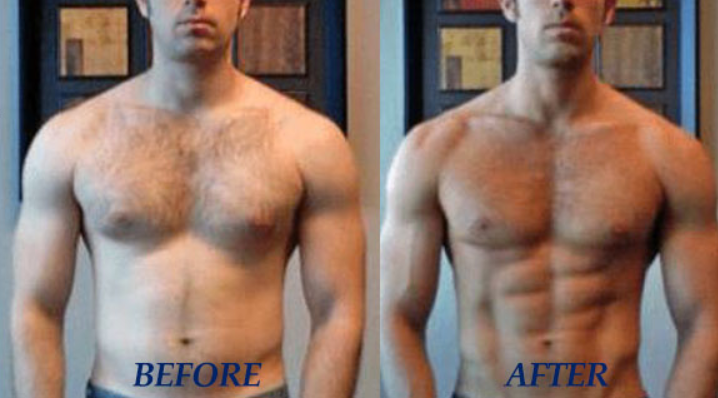
His cycle:
| Week | Stenabolic Dosage |
| 1-8 | 30mg a day |
Stenabolic Before And After #2
This before and after photo can be a bit deceptive because he is tanned in the after photo. He probably lost around 3-5% of his body fat over the course of his SR9009 cycle.
This is a good example of what you can expect to see from your cycle if you stay on a calorie maintenance diet and train decently hard. Overall, average results for a Stenabolic cycle.

His cycle:
| Week | Stenabolic Dosage |
| 1-8 | 25mg a day |
Stenabolic Before And After #3
This is an example of a Stenabolic + Ostarine cycle. He was able to lose about 4-5% body fat and gain some muscle mass with the help of Ostarine (around 5lbs of muscle).
His results are very impressive and are a good example of what you can achieve if you work hard and stay on a clean diet during your cycle. Keep in mind, he did not do a PCT (Post Cycle Therapy), Ostarine is very mildly suppressive and doesn’t require a PCT at normal dosages.
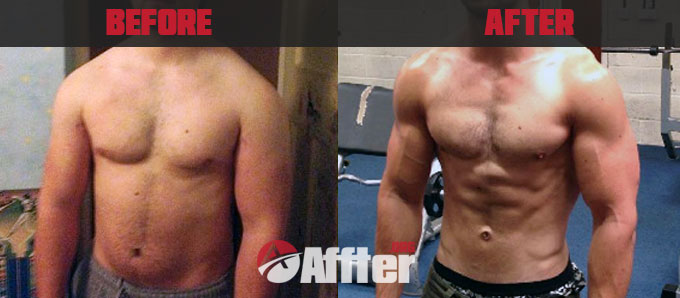
His cycle:
| Week | Stenabolic | Ostarine | PCT |
| 1-8 | 30mg a day | 15mg a day | / |
My Stenabolic Results
I recently did an 8-week cycle of Stenabolic with Ostarine (to help me keep my muscle) and the experience was amazing. Keep in mind, I didn’t have to do a PCT (Post Cycle Therapy) for this cycle because Stenabolic is non-hormonal and Ostarine is very mild and doesn’t require a PCT.
My cycle:
| Week | Stenabolic | Ostarine | PCT |
| 1-8 | 25mg a day | 12.5mg a day | / |
Endurance And Mood
What I noticed first, almost instantly, was an incredible increase in endurance. I felt I could run forever and never get tired. For example, I am usually able to run 5 miles before feeling tired and winded.
With Stenabolic, I was easily able to run 5 miles and feel like I could run for at least 5 more. Endurance wasn’t obvious only when running but in the gym as well. I didn’t need to take as much time between sets anymore.
My mood was also amazing throughout the whole cycle, this was definitely due to the Stenabolic anti-anxiety properties. It makes you feel amazing.
Fat Loss
With the increased endurance, I was able to do a lot of cardio. I also kept an eye on my diet and managed to lose over 7% of body fat over the duration of the cycle. My body fat dropped from 18% to about 11%. Ostarine helped me to keep all my muscle mass on this cutting cycle.
In my opinion, this is a great and safe cutting cycle. Still, I prefer Cardarine over Stenabolic for fat loss because I think it’s even more effective and with the recent studies on GW 50156, it seems to be very safe as well.
Overall, I really like this compound, especially with the amazing synergy with Ostarine and other SARMs.
What To Expect - Studies And Animal Testings
There have been a lot of studies done on the effectiveness and the results of SR9009 in animal trials.
The first thing you can expect is to see an almost instant increase in your cardiovascular health and endurance as well as lower anxiety. You will have twice as much endurance almost instantly, most people get an immediate increase of over 50%. This means that if you are able to run 1 mile and you are winded/tired after that, you will easily be able to run at least 1.5 miles almost instantly after taking the first dosage.

These benefits are amazing already but most people are probably interested in the fat loss effect that Stenabolic has.
Animal testing has shown a noticeable fat loss after 10-14days of taking the compound. This is accurate and you can expect to see fat loss around the same time as well. Remember, however, that if you will just eat junk food and do not train, you won’t be seeing any results. 10-14 days estimate is based on eating maintenance calories and doing cardio three times a week.
How much fat you are going to lose depends on your work ethic and diet. Studies showed that dropping 5% body fat over an 8-week SR9009 cycle is easily achievable.
Tips To Get The Best Results
In order to get the best possible results from your cycle, we are going to give you some tips. Follow these three tips and you will 100% be amazed by the results that you will get from Stenabolic.
- Stay on a clean diet
- Train hard
- Buy pure, high-quality SR9009
- Take it sublingually
The first two points are obvious. The cleaner you eat and the harder you train, the better results you will get. Buying pure, high-quality Stenabolic is also obvious. Bunk products won’t get you the results you want, that’s why you should be certain when you buy your compounds.
The last point, taking Stenabolic sublingually, is also important. Let me explain.
SR9009 has a low bioavailability. This means that when we take it like we take SARMs, our body doesn’t absorb the full dose and we miss out on a lot of the product. That is why you should take it sublingually, to get the whole dosage into your body.
Taking SR9009 sublingually means keeping the Stenabolic under your tongue for a few seconds before swallowing the dosage. This way your body will absorb almost the whole dosage because the compound will go into our blood through the tissue under our tongue.
What Results Should You Expect From Stenabolic
Now that we have gone over my Stenabolic results and other people’s results, let’s go over what you should expect to see from your upcoming SR9009 cycle.
Increased Endurance
This is the first thing that you should notice when using this compound. You will see an obvious increase in endurance in the first few days of taking this compound (most people see it on the first day). Most people get over a 50% increase in endurance, so it will be very obvious.
A good way of telling if your Stenabolic is real is if you get an increase in endurance in the first few days. If you don’t see the endurance increase, you most likely have a bunk compound.
Fat Loss
Most likely, this is the benefit that you are most interested in. On average, most people start seeing signs of fat loss by the end of the second or third week. You will lose 1% of body fat a week if you train hard enough and diet strictly. On average, however, most people easily lose 5% of their body fat on their 8-week SR9009 cycle by training decently hard and eating a clean-ish diet.
I lost 7% of body fat on my Stenabolic cycle, but I trained hard and tried my best to have a clean diet.
Remember, your fat loss results will depend on how hard you train and how clean your diet is.
Better Mood
This is a nice benefit that most people get from Stenabolic. My mood was great throughout the whole cycle, I was always very happy.
Keep in mind, not everybody seems to experience this. Most people do, but some people don’t (mostly those who have experienced depression or severe anxiety).
Video Format
Watch this video about Stenabolic if you prefer to get information in video format. It’s a good brief presentation of this compound.
Where To Buy Stenabolic
It’s crucial that we buy high-quality, pure Stenabolic. Some companies sell bunk compounds that have other substances in them that lower the effectiveness of the product and can cause a lot of side effects.
This is why you should buy high-quality products, to get the best results and avoid the possible side effects.
I regularly test products from all companies on the market and I keep an up-to-date list of verified companies that sell high-quality, pure products.
You should get your products from one of the companies on the list.
Conclusion
In conclusion, Stenabolic is a great compound for fat loss, it also has the benefits of increased endurance, decreased anxiety and increased cardiovascular health.
The amazing thing about this compound is that it only has one side effect that we can easily go around by not taking our dosage right before going to sleep.
Remember, results from your cycle will be better if you train hard and keep an eye on your diet. You should also buy your Stenabolic and other compounds from good companies.
Some companies sell bunk products that can cause a lot of side effects and aren’t as effective. I always test companies before recommending them, that is why my recommended companies will get you great results and won’t cause unnecessary side effects.
FAQ
Let’s go over some FAQ (Frequently Asked Questions) about Stenabolic and answer them.
When To Take Stenabolic?
Because of the Stenabolic half-life, you should take the dosage in three parts. Take the first part of the dosage in the morning, the second in the afternoon and the last part in the evening.
How To Take Stenabolic?
You should take Stenabolic sublingually. This basically means that you should keep the liquid compound under your tongue for a few seconds before swallowing it.
This is the most optimal way to take SR9009 because it has low bioavailability but this way it gets effectively absorbed into the bloodstream with the help of the tissue under the tongue.
How Does SR9009 Work?
Stenabolic is a Rev-Erb ligand. This means that it’s a molecule that binds itself to the Rev-Erb protein and enhances its activity in our body. This has incredible fat loss and endurance increase effects.
What Is SR9009 Half-Life?
SR9009 has a half-life of 4-6 hours. This means that we should split our dosage into three parts and take the first in the morning, the second in the afternoon and the last before going to sleep.
This is the most optimal way to get the best results with Stenabolic.
How Long Should I Run Stenabolic?
Users typically run SR9009 for 8 weeks. This will be enough time for Stenabolic to give great results and it will also be short enough to prevent any potential long-term side effects.